
Need a custom brass valve without a technical drawing? This is a common situation when buyers want to reproduce, replace or modify an existing valve but no longer have the original engineering file.
In many projects, the lack of a drawing does not prevent an initial evaluation. A physical valve sample, reference photos and clearly defined purchasing requirements can be used to establish the information needed for the next step.
The important point is not to guess the missing specifications. Critical dimensions, connection standards, operating requirements and other product details still need to be confirmed before tooling or bulk production.
Quick Answer: Yes, a brass valve customization project can often start without an original technical drawing. A physical sample is usually the most useful reference. If no sample is available, product photos and known specifications can support a preliminary evaluation, but they cannot replace confirmation of critical dimensions and technical requirements.
1. Can You Customize a Brass Valve Without a Drawing?
Yes. A technical drawing is helpful, but it does not always need to be available at the beginning of the project.
There are three common starting points:
Technical Drawing
An existing drawing provides dimensions, connection details and other specifications that can be reviewed directly.
Physical Valve Sample
An existing valve can be measured and reviewed to help establish dimensions, structure and connection requirements.
Photos + Known Requirements
Photos, size information and known operating requirements can support a preliminary feasibility review when no physical sample is available.
Existing Product Reference
A similar existing valve can sometimes be used as the starting platform if only selected specifications need to be changed.
Important: Starting without a drawing does not mean manufacturing without a confirmed specification. The required product details should be defined and approved before bulk production.
2. Why Is a Physical Sample Useful?
If an existing valve is available, a physical sample is usually much more useful than photos alone.
The sample can provide direct reference information for dimensions, connection geometry, internal structure and other product details that may not be visible from an external photograph.

3. What Can Be Evaluated from a Valve Sample?
Two valves may look similar from the outside while using different dimensions, internal structures or connection specifications.
A sample-based evaluation can therefore focus on the details that actually affect product matching and repeat purchasing.
Critical Dimensions
Depending on the valve type, useful measurements may include overall length, body height, thread length, internal bore, connection dimensions and dimensions related to assembly.
These measurements matter because machining is responsible for producing the dimensional features needed for threads, bores, sealing interfaces and component fit.
For more detail, see: Why Is CNC Machining Important in Brass Valve Production?
Internal Valve Structure
Some products may need to be disassembled during technical evaluation because important features cannot be identified from the outside.
For example, when evaluating a brass ball valve , the project may need to confirm whether the valve uses a full-port or standard-port configuration, as well as the internal bore and assembly-related details.
Thread and Connection Standard
Thread compatibility is especially important when a replacement valve must connect to an existing piping system.
A nominal size such as 1/2" or 3/4" is not enough by itself. The required thread or connection standard should also be identified.
Common requirements may include BSPP, BSPT or NPT depending on the product and market specification.
If you are unsure about the differences, read: BSP vs NPT Threads: Differences, Compatibility & Sealing Guide .
Buyer Tip: Do not assume a thread standard from nominal size or visual appearance. If connection compatibility is important, identify the required standard before approving the product specification.
4. How Does Sample-Based Brass Valve Customization Work?
The exact workflow depends on the product, but a sample-based project can generally follow the steps below.
Provide the physical sample together with the valve type, size, connection requirement, operating conditions and estimated quantity already known.
The sample is measured and reviewed to identify the product structure, key dimensions and information that still needs confirmation.
Critical dimensions, connection requirements and other project-specific parameters are documented for confirmation.
Where required, technical dimensions can be converted into a drawing or another controlled specification for approval.
The project is reviewed to determine whether existing production resources can be used or whether new tooling or additional development is required.
A prototype or pre-production sample can be checked against the agreed requirements before larger production quantities are arranged.
Production proceeds after the required specifications and sample are approved for the project.
For projects that move beyond initial technical evaluation, see our OEM & Custom Brass Valve Solutions page for customization and order-support information.
5. What Can Photos Not Confirm Reliably?
Product photos are useful for identifying the general valve type, handle style, visible connection arrangement and external appearance.
However, photos alone normally cannot confirm:
- Critical internal dimensions
- Internal bore size
- Thread tolerances
- Hidden internal structure
- Exact operating pressure requirement
- Detailed testing requirements
- Material composition where no specification is available
Practical Approach: Photos are useful for the first conversation. They should be treated as a reference for evaluation rather than as the complete manufacturing specification.
6. What Information Should Buyers Confirm?
You do not need to have every technical detail ready before contacting a supplier. However, providing the information you already know makes the evaluation more efficient.
| Information | What to Provide |
|---|---|
| Valve Type | Ball valve, gate valve, check valve, angle valve, Y-strainer or other type |
| Reference | Physical sample, technical drawing or product photos |
| Size | Required nominal size or known connection dimensions |
| Connection | Female, male, solder, compression or other required configuration |
| Thread Standard | BSPP, BSPT, NPT or other confirmed requirement |
| Working Pressure | Required operating or pressure class if known |
| Working Medium | Water, gas, oil or other specified medium |
| Working Temperature | Required operating temperature range if known |
| Port / Internal Structure | Full port, standard port or other project requirement where relevant |
| Marking | Logo, product marking or private-label requirement if applicable |
| Packaging | Neutral or customized packaging requirement |
| Quantity | Estimated trial or bulk order quantity |
7. What If You Have No Drawing and No Physical Sample?
An initial discussion can still begin even if neither a drawing nor a physical sample is currently available.
In that case, provide as much of the following information as possible:
- Clear product photos from several angles
- Valve type
- Known size and connection dimensions
- Required thread or connection standard
- Working pressure if known
- Working medium
- Working temperature if relevant
- Required product changes
- Estimated quantity
The purpose of this first stage is to determine whether there is enough information to identify an existing product platform or whether additional measurements and technical confirmation will be required.
8. Does a Custom Brass Valve Always Require New Tooling?
No. Customization does not automatically mean developing an entirely new valve body.
If the required product is close to an existing product platform, the project may involve only selected changes such as:
- Thread or connection configuration
- Selected machining dimensions
- Handle requirement
- Surface requirement
- Product marking
- Private-label packaging
New tooling becomes more likely when the valve body geometry, internal structure, connection layout or other major design features differ significantly from an existing product.
Procurement Tip: Do not assume tooling cost before the product has been evaluated. First determine whether the required valve can be matched to an existing product platform or whether a genuinely new structure is needed.
9. Why Should the Approved Sample Become the Reference?
For repeat orders, the goal is not only to approve the first sample. The approved specification needs to remain clear for future production.
Depending on the project, the reference may include the approved sample, drawing, critical dimensions, thread requirement, operating requirements, marking and packaging information.
This makes it easier to compare later production against the same confirmed requirements rather than relying on memory or general product descriptions.
See more about how purchasing requirements are followed through an order: Brass Valve Quality Control .
10. Explore Brass Valve Products
If your custom requirement is based on an existing valve type, reviewing current product categories can help identify a suitable starting platform.
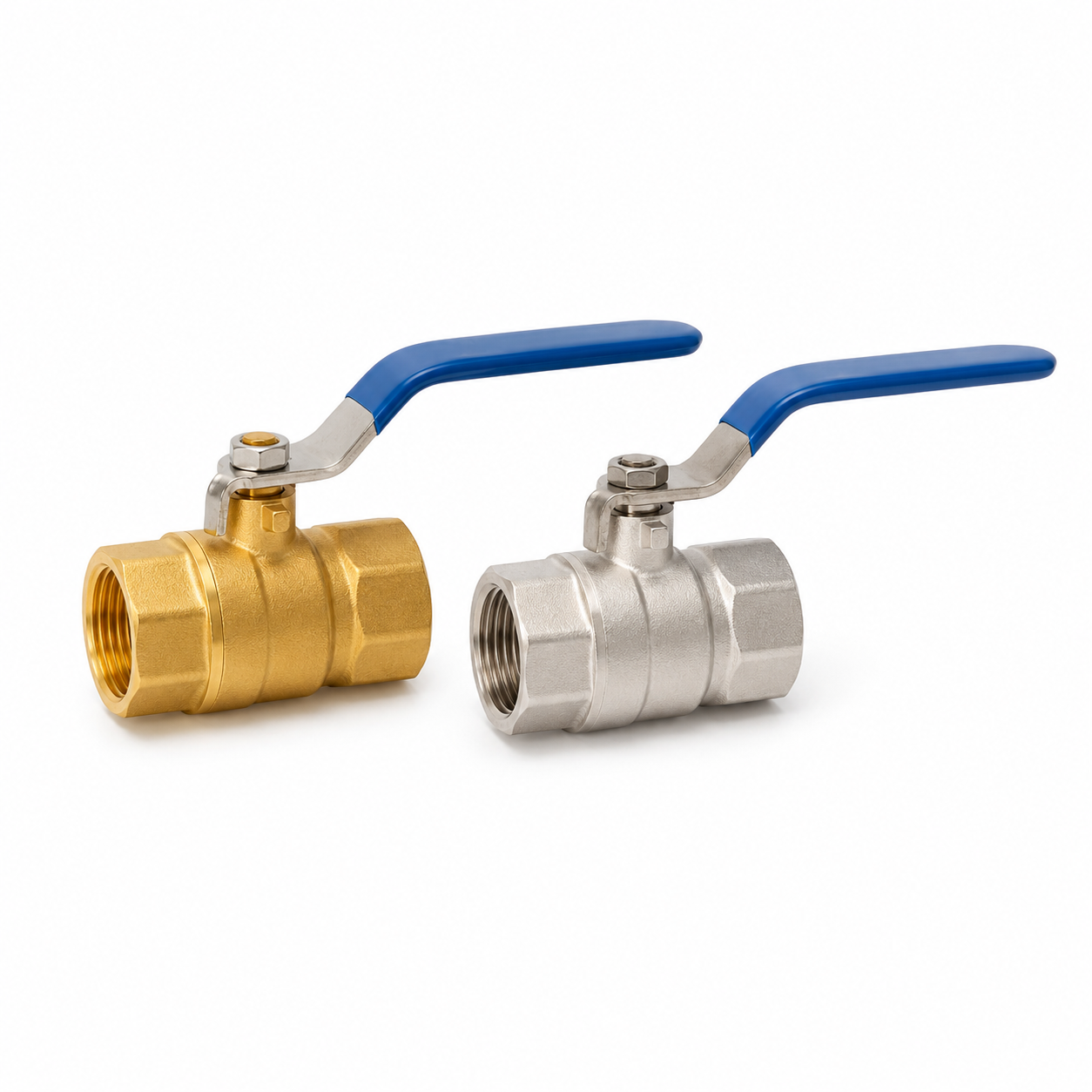
Brass Ball Valves
Browse brass ball valve configurations that may provide a starting point for replacement or customized projects.
View Products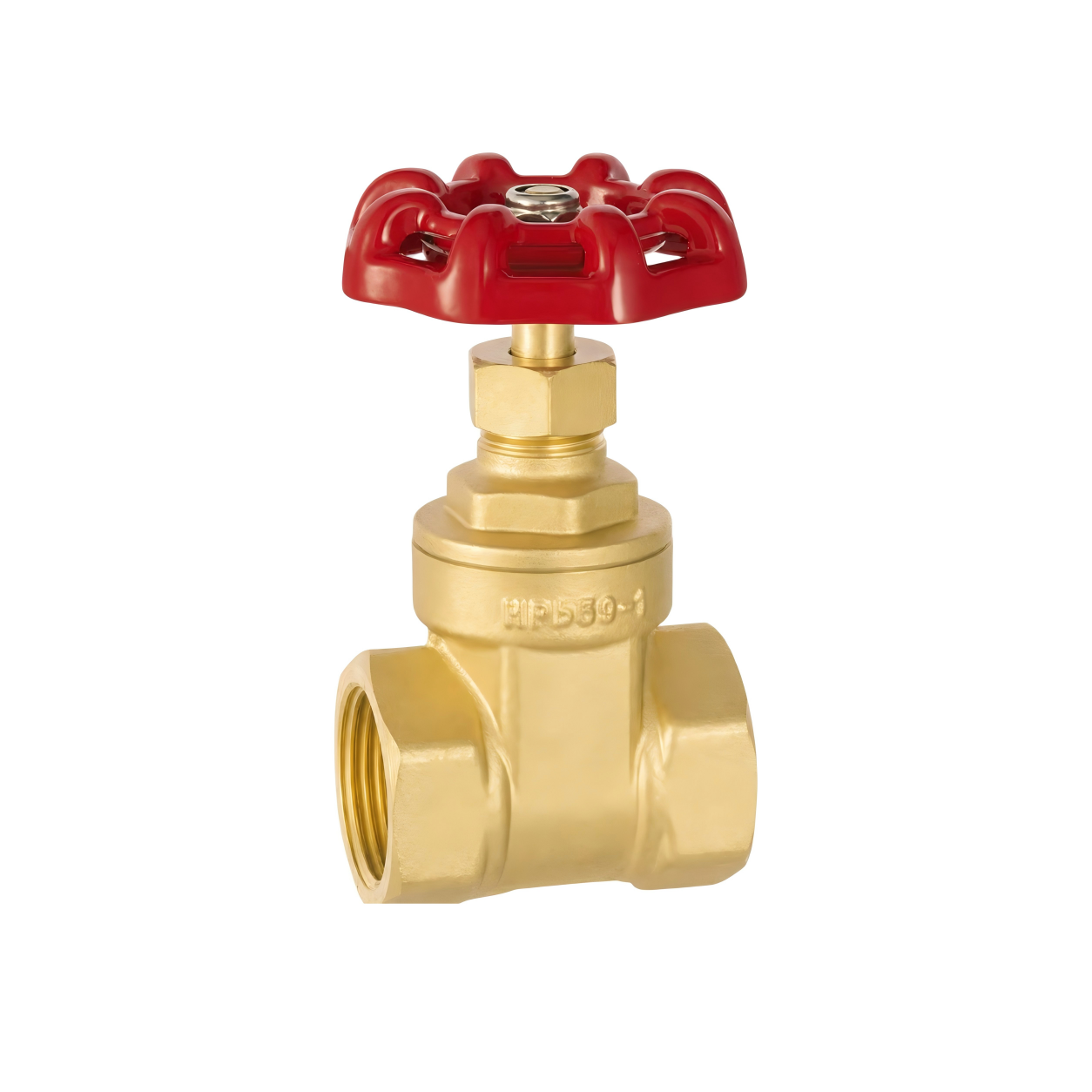
Brass Gate Valves
Review gate valve options before evaluating a custom or replacement specification.
View Products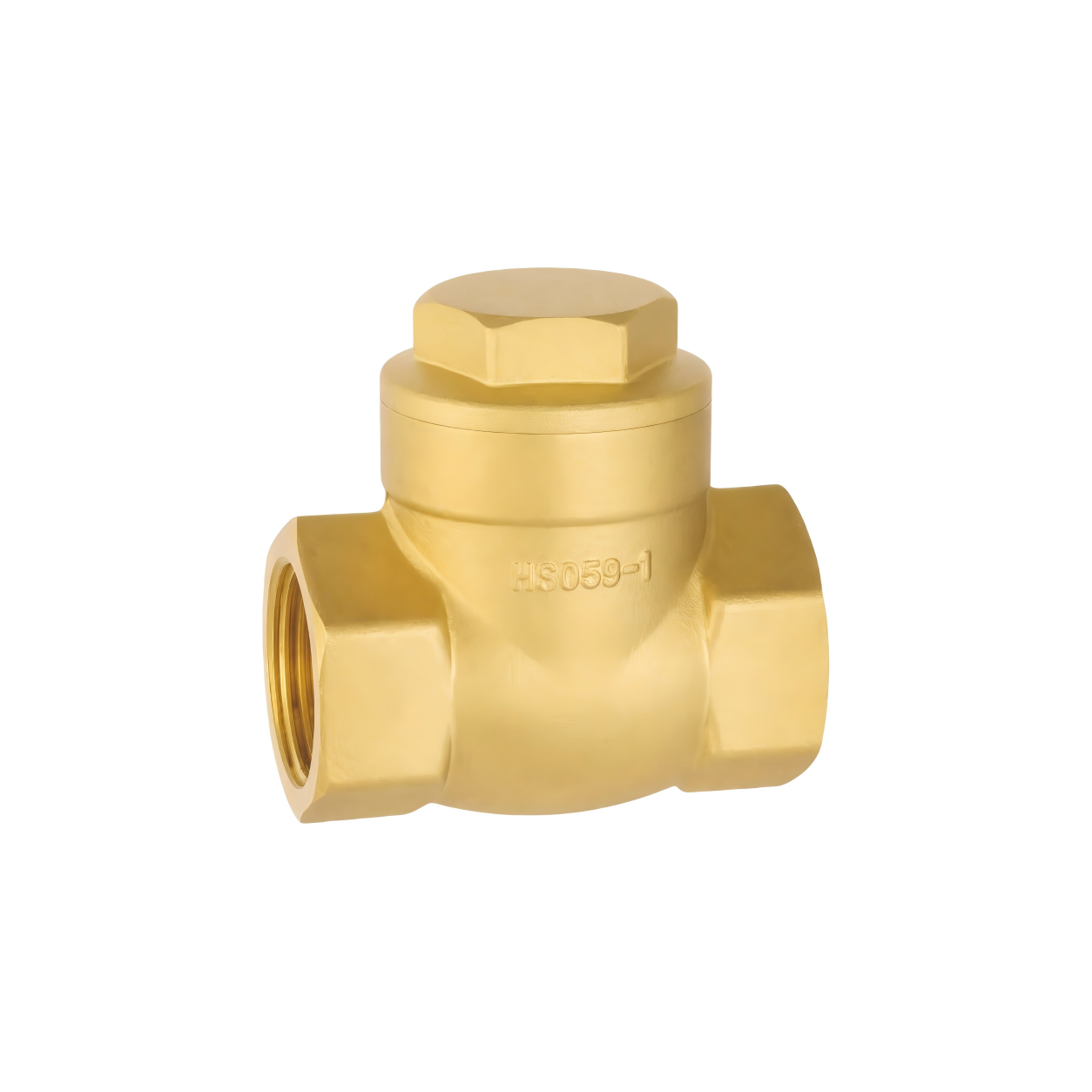
Brass Check Valves
Browse check valve configurations and connection options for product matching.
View ProductsFrequently Asked Questions
Can a brass valve be customized without a technical drawing?
Yes. A project can often start from a physical sample, product photos and the technical requirements already known. Critical specifications still need to be confirmed before production.
Is a physical valve sample better than photos?
Usually yes. A physical sample allows dimensions, connection details and internal features to be evaluated directly, while photos mainly provide external visual information.
Can a technical drawing be created from an existing valve sample?
Where required by the project, measured dimensions and confirmed specifications can be documented in a technical drawing or another controlled product specification for approval.
Can the new valve be different from the original sample?
Yes. A sample can be used as a reference while selected requirements such as connections, dimensions, handle, surface, marking or packaging are evaluated separately.
Does every custom brass valve require new tooling?
No. If the required product is close to an existing platform, some projects may be completed through specification changes rather than developing a completely new valve body.
What should I send for an initial custom valve evaluation?
Send the physical sample or clear product photos together with the valve type, size, connection requirement, known operating conditions and estimated order quantity.
Have a Brass Valve Sample but No Drawing?
Send us the physical sample, product photos or the specifications you already know. We can review the project requirements and evaluate the appropriate next step.