
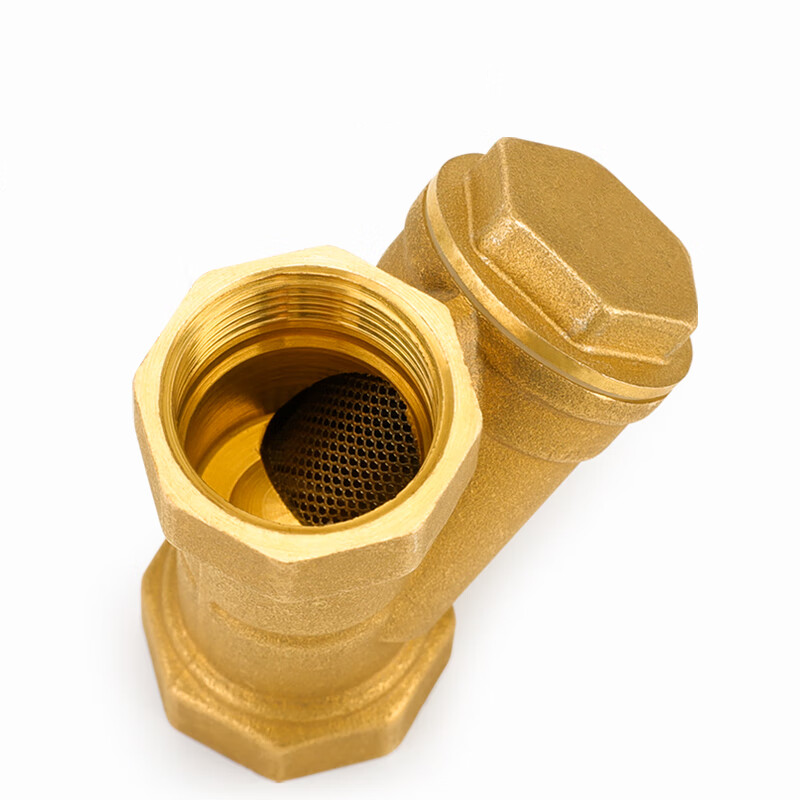
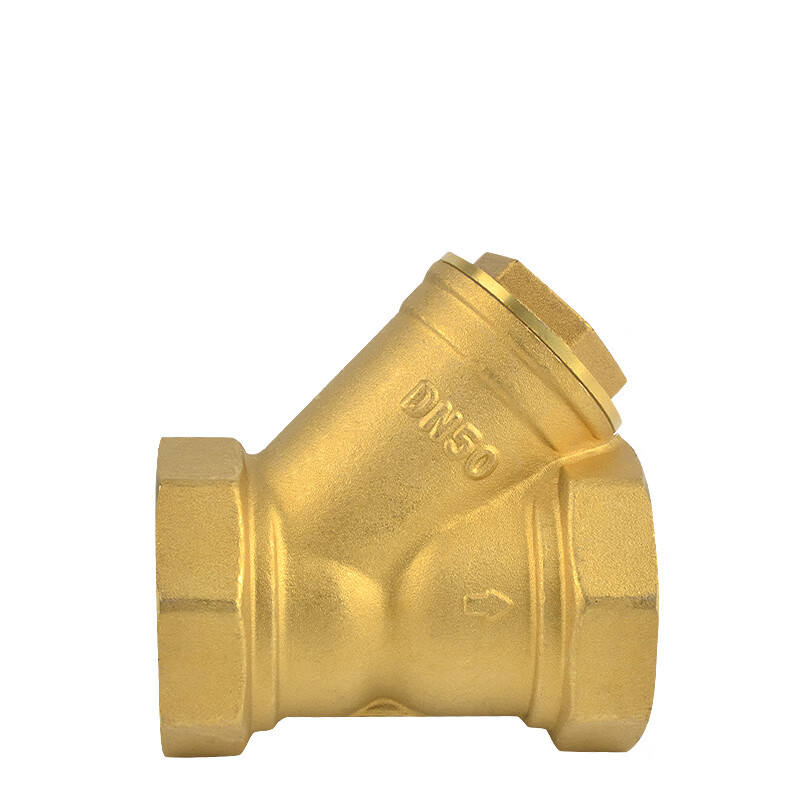
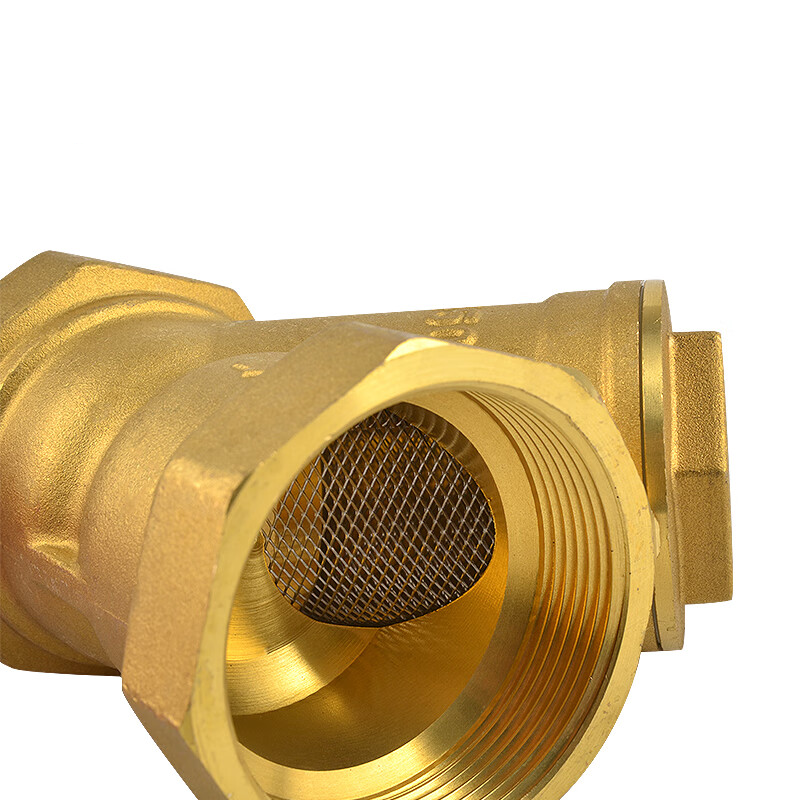
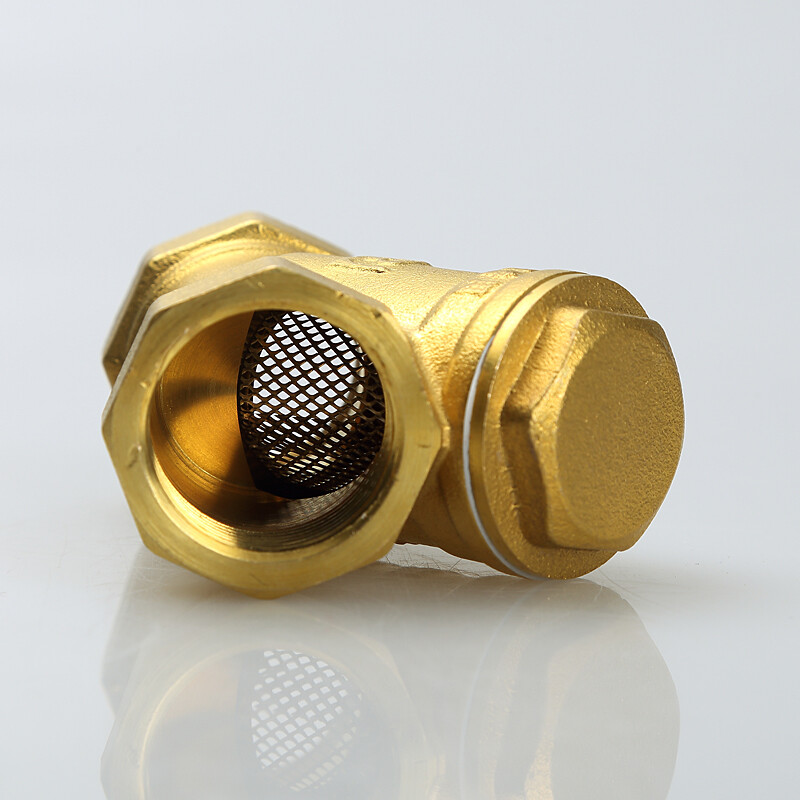
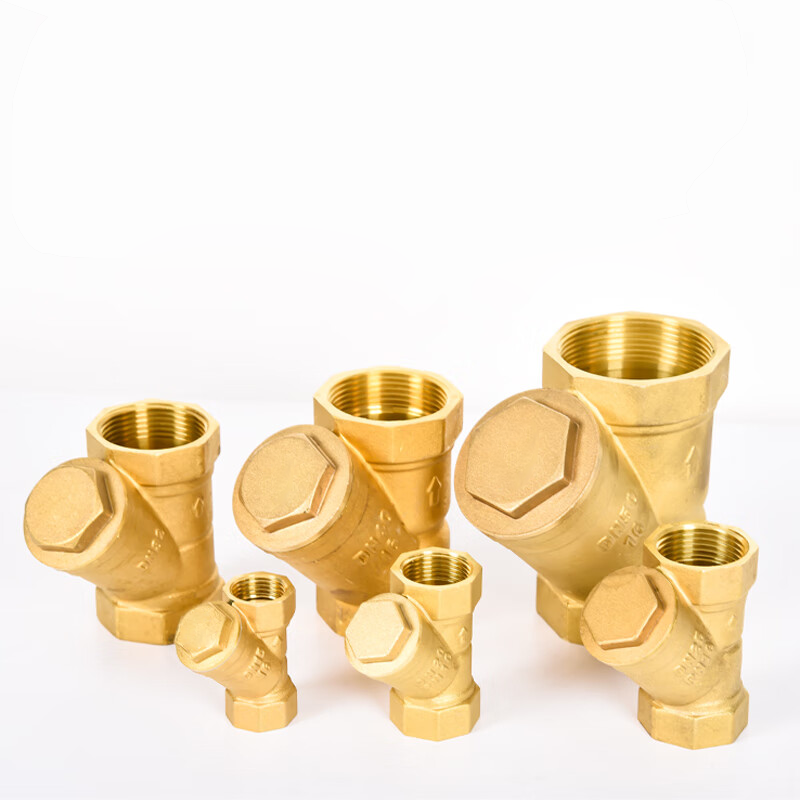
Removable stainless steel replacement filter element for brass Y strainers used in water supply, plumbing, HVAC and general pipeline filtration. Screen mesh, diameter, length and end structure can be customized according to original samples or technical drawings.
SUNRICH FLOW supplies stainless steel replacement filter elements for brass Y strainers used in water supply, plumbing, HVAC, heating, irrigation and general pipeline systems.
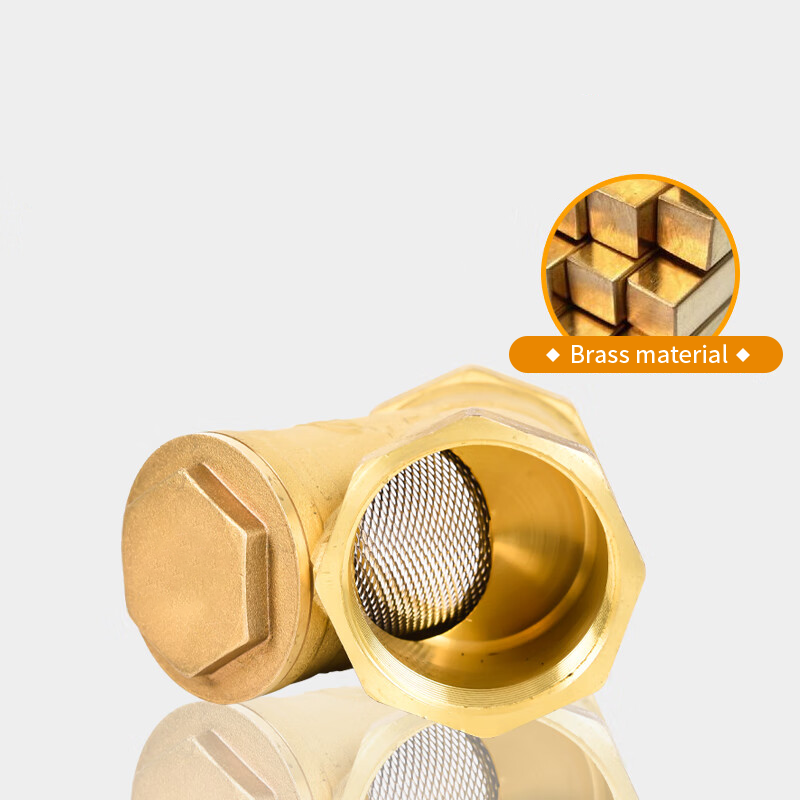
The filter element is installed inside the angled chamber of a Y strainer and is designed to capture rust, sand, scale and other solid particles before they enter downstream pumps, meters, valves and pipeline equipment.
The cylindrical screen can be removed through the threaded cover of the Y strainer for cleaning, inspection or replacement. Stainless steel mesh provides corrosion resistance, stable filtration performance and suitability for repeated cleaning.
Because the internal structure and dimensions of Y strainers vary among manufacturers, replacement filter elements are not always universal. Customers should provide an original sample, technical drawing or detailed measurements before quotation and production.
Different screen diameters, overall lengths, mesh sizes, stainless steel grades and end structures can be customized for valve manufacturers, repair suppliers, plumbing distributors and OEM brands.
Key Features
- Stainless steel mesh construction
- Designed for brass Y strainers
- Removable and reusable structure
- Suitable for repeated cleaning
- Filters rust, sand, scale and pipeline debris
- Customized mesh size available
- Diameter and length can be customized
- Multiple end structures available
- Production according to sample or drawing
- Suitable for replacement and maintenance programs
- OEM packaging available
- Multiple valve sizes can be developed
Technical Specifications
| Item | Specification |
|---|---|
| Product Name | Y Strainer Replacement Filter Element |
| Product Type | Cylindrical mesh filter screen |
| Material | Stainless steel |
| Optional Grade | According to customer requirements |
| Applicable Valve | Brass Y strainer |
| Applicable Sizes | DN15–DN50 or customized |
| Mesh Size | Standard or customized |
| Screen Diameter | According to valve dimensions |
| Screen Length | Customized |
| End Structure | Open, closed, reinforced or customized |
| Working Medium | Water and compatible non-corrosive fluids |
| Cleaning Method | Removable and washable |
| Manufacturing Basis | Sample, drawing or dimensions |
| OEM Service | Available |
| Packaging | Polybag, inner box, carton or customized |
Available Sizes
Replacement filter screens can be developed for common Y strainer sizes, including:
| Nominal Size | Inch Size |
|---|---|
| DN15 | 1/2″ |
| DN20 | 3/4″ |
| DN25 | 1″ |
| DN32 | 1-1/4″ |
| DN40 | 1-1/2″ |
| DN50 | 2″ |
Actual filter dimensions must be confirmed because products with the same nominal valve size may use different internal screen dimensions.
Product Structure
A typical Y strainer replacement element consists of:
- Stainless steel woven mesh
- Cylindrical filter body
- Reinforced edge
- Open or closed end
- Supporting ring or end cap
- Optional internal support structure
The final design depends on the original Y strainer body and installation method.
Applications
This replacement filter element is suitable for:
- Brass Y strainers
- Residential water supply systems
- Commercial plumbing systems
- HVAC pipelines
- Heating systems
- Water meter protection
- Pump inlet protection
- Irrigation systems
- Boiler water pipelines
- General industrial water systems
- Valve maintenance and repair
- OEM replacement-part programs
How It Works
When water or another compatible medium passes through the Y strainer, the stainless steel screen captures solid impurities such as rust, sand, scale and pipe debris.
The filtered medium continues through the pipeline, while impurities remain inside the screen. During maintenance, the threaded cover of the Y strainer can be removed and the filter element can be taken out for cleaning or replacement.
Regular cleaning helps maintain flow capacity and reduces pressure loss caused by accumulated debris.
Customization Options
SUNRICH FLOW can customize:
- Filter screen outer diameter
- Overall screen length
- Mesh opening size
- Filtration accuracy
- Stainless steel grade
- Wire thickness
- End cap structure
- Reinforced support ring
- Open-end or closed-end design
- Packaging quantity
- Private-label packaging
- Production according to original samples
- Production according to technical drawings
Information Required for Quotation
To ensure correct matching, please provide:
- Y strainer nominal size
- Filter screen outer diameter
- Overall screen length
- Mesh size or filtration requirement
- End structure
- Stainless steel grade, if specified
- Photos of the original screen
- Technical drawing or original sample
- Required quantity
- Packaging requirements
Important Compatibility Notice
Replacement Y strainer filter elements are generally not universal.
Even when two valves are both marked DN15 or 1/2 inch, the following dimensions may differ:
- Screen diameter
- Screen length
- Cover opening
- Internal chamber depth
- End-cap structure
- Mesh density
For accurate production, an original sample or complete dimensional drawing is recommended.
Quality Inspection
Available inspection items include:
- Stainless steel material inspection
- Screen mesh inspection
- Outer diameter measurement
- Overall length measurement
- End structure inspection
- Mesh uniformity inspection
- Weld or joint inspection
- Fit test with customer sample
- Surface cleanliness inspection
- Packaging inspection
OEM and Private-Label Service
OEM services are available for:
- Valve manufacturers
- Plumbing wholesalers
- Repair-parts distributors
- Hardware suppliers
- Private-label brands
- Pipeline equipment companies
Customization can include product dimensions, mesh type, packaging labels, individual bags, inner boxes and export cartons.
Packaging Options
- Individual polybag
- Bulk bag packaging
- Inner carton
- Export master carton
- Customer label
- Barcode label
- Private-label packaging
- Customized packing quantity
Frequently Asked Questions
Is this filter element suitable for all Y strainers?
No. Y strainer internal dimensions vary among manufacturers. A sample or detailed dimensions should be supplied before production.
Can the mesh size be customized?
Yes. Different mesh sizes and filtration levels can be produced according to customer requirements.
Is the filter element reusable?
Yes. Stainless steel screens can normally be removed, cleaned and reused if they are not damaged or deformed.
Can you produce according to an original sample?
Yes. Sample-based production is recommended for replacement filter elements because it provides the most reliable dimensional match.
What valve sizes can you supply?
Filter screens can be developed for DN15, DN20, DN25, DN32, DN40, DN50 and other customized sizes.
Can you supply the complete brass Y strainer as well?
Yes. Complete brass Y strainers with BSPP, BSPT or NPT threads can also be supplied.
What information is needed for a quotation?
Please provide the valve size, screen diameter, screen length, mesh requirement, quantity and preferably an original sample or technical drawing.