
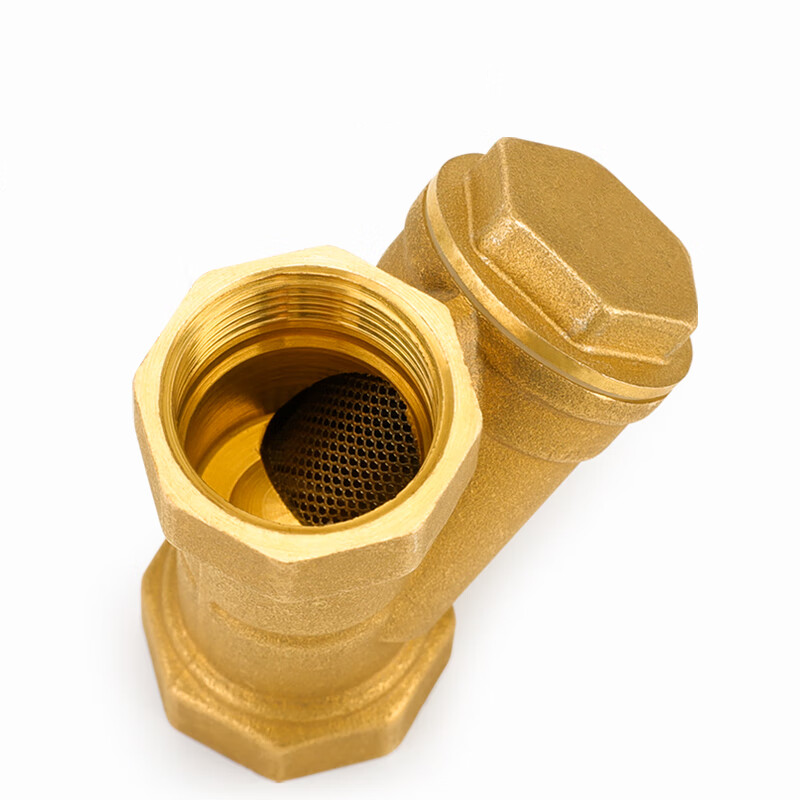
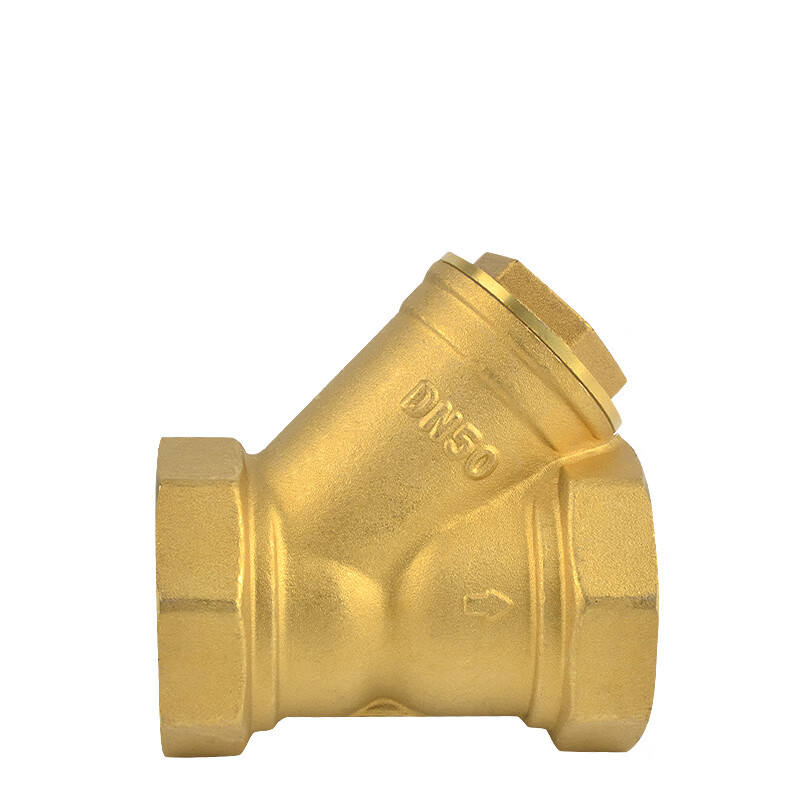
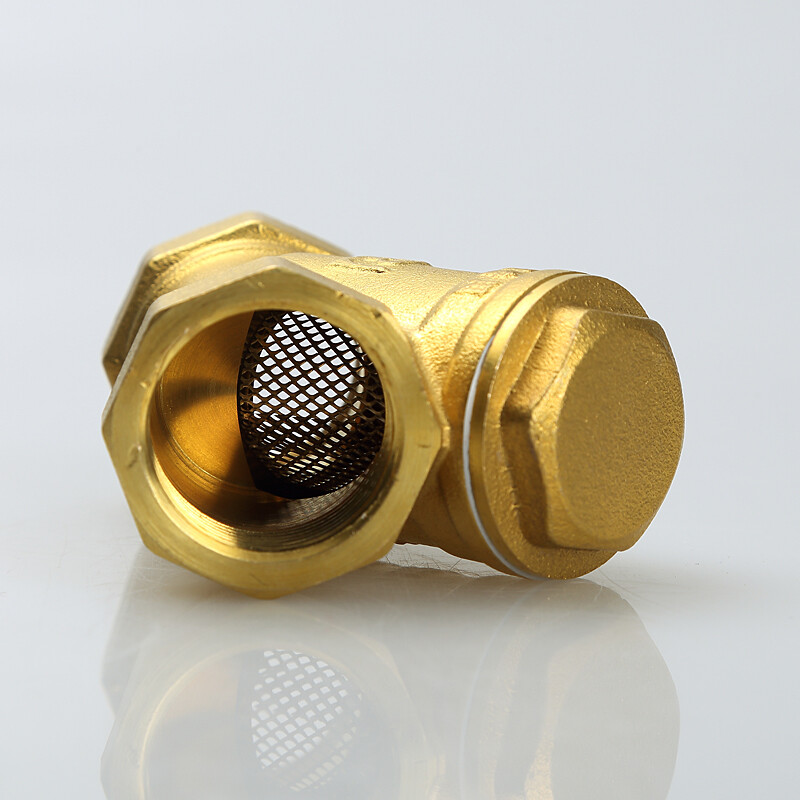
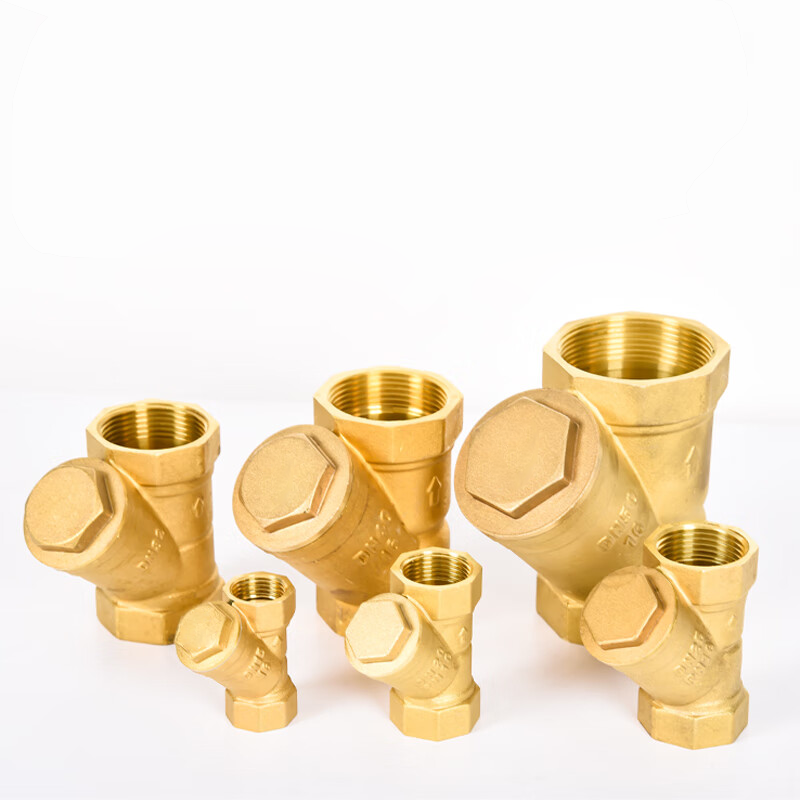
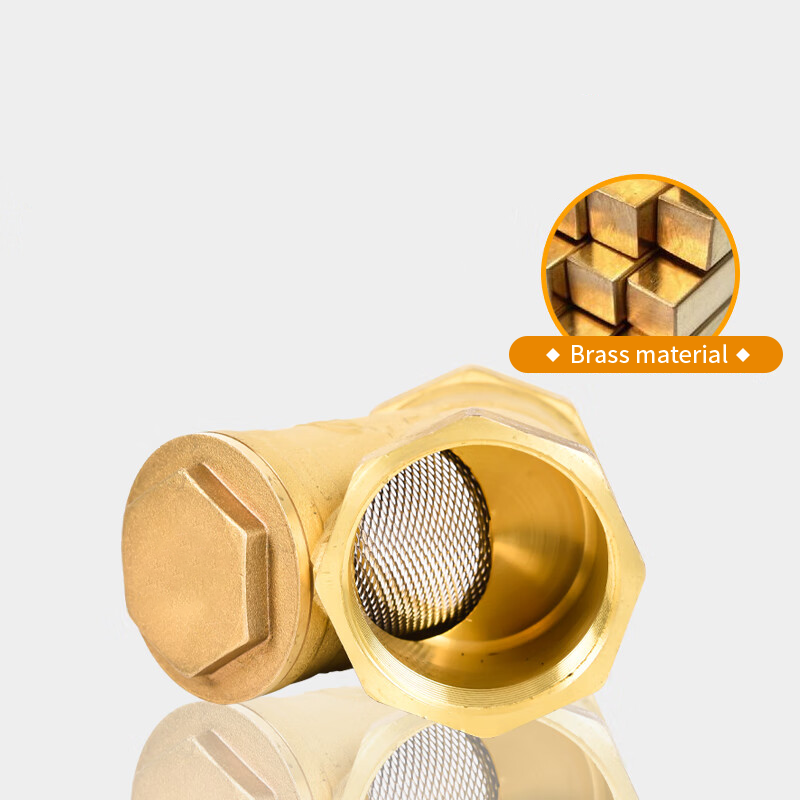
This brass Y strainer is designed to help remove solid particles and debris from water and other non-corrosive liquid piping systems before they reach downstream valves, equipment or other components.
The strainer combines a brass body with a stainless steel filter screen and an ISO 228 / BSPP parallel threaded connection.
The current product range includes sizes from 1/2″ to 2″, with a normal pressure rating of 1.6 MPa and a specified working temperature range from -20°C to 150°C.
For OEM and project requirements, product specifications can be evaluated according to technical drawings, physical samples or confirmed application requirements.
1. Key Features
Brass Body
Stainless Steel Screen
ISO 228 / BSPP Thread
1.6 MPa Pressure
1/2″–2″ Sizes
Water Filtration
Removable Screen
OEM Available
2. Technical Specifications
| Product Type | Brass Y Strainer |
|---|---|
| Body Material | Brass |
| Filter Screen | Stainless Steel |
| Available Sizes | 1/2″, 3/4″, 1″, 1-1/4″, 1-1/2″, 2″ |
| Normal Pressure | 1.6 MPa |
| Working Medium | Water and Non-Corrosive Liquids |
| Working Temperature | -20°C to 150°C |
| Thread Standard | ISO 228 / BSPP (G) Parallel Thread |
| Screen Specification | To Be Confirmed According to Project Requirements |
| OEM / Customization | Available According to Project Requirements |
The current technical information confirms a brass body and stainless steel filter screen.
If your project requires a specific brass alloy, stainless steel grade, mesh size or filtration rating, these specifications should be confirmed before production.
3. How Does a Brass Y Strainer Work?
A Y strainer is installed directly in the pipeline to help protect downstream components from solid contamination.
As water or another compatible non-corrosive liquid passes through the strainer body, the internal stainless steel screen intercepts particles larger than the screen openings while allowing the filtered liquid to continue downstream.
Water or another compatible non-corrosive liquid enters through the threaded connection.
Solid particles are intercepted by the stainless steel screen inside the Y-shaped chamber.
Liquid passes through the screen and continues through the piping system.
During maintenance, the screen can be accessed for inspection and cleaning according to actual operating conditions.
4. Stainless Steel Filter Screen
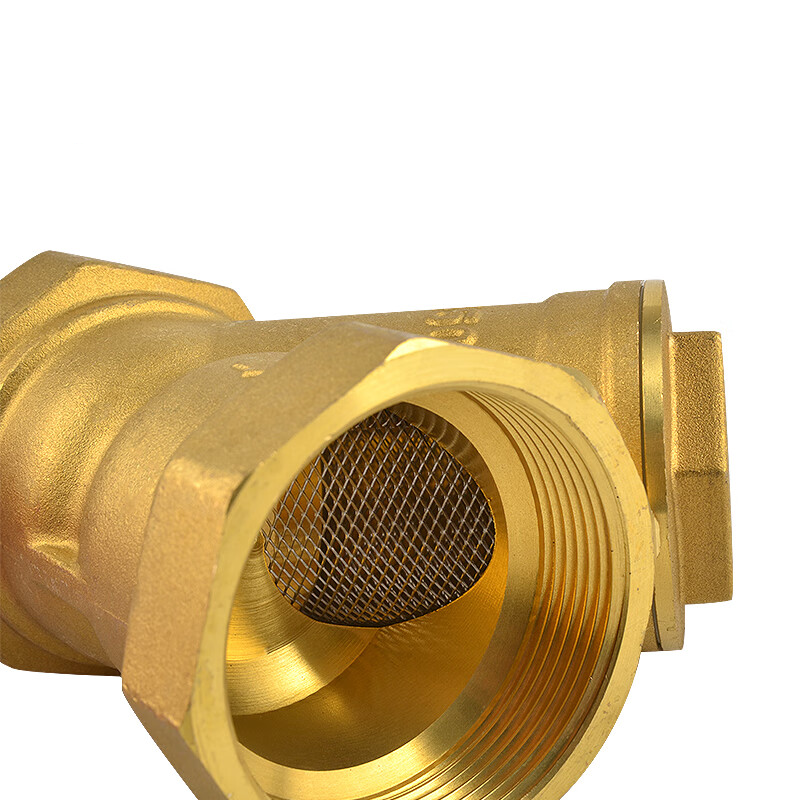
The internal stainless steel screen is the main filtration component of the Y strainer.
It helps capture solid contamination before particles reach downstream valves, pumps, meters or other piping equipment.
Screen specification is an important part of Y strainer selection because filtration opening size can affect both particle retention and flow resistance.
The current technical information confirms a stainless steel screen, but does not specify the exact stainless steel grade, mesh count or micron rating.
5. Available Sizes
The current product specification includes the following nominal sizes:
| Nominal Size | Thread Standard |
|---|---|
| 1/2″ | ISO 228 / BSPP Parallel Thread |
| 3/4″ | ISO 228 / BSPP Parallel Thread |
| 1″ | ISO 228 / BSPP Parallel Thread |
| 1-1/4″ | ISO 228 / BSPP Parallel Thread |
| 1-1/2″ | ISO 228 / BSPP Parallel Thread |
| 2″ | ISO 228 / BSPP Parallel Thread |
6. ISO 228 / BSPP Parallel Thread Connection
This brass Y strainer uses an ISO 228 parallel pipe thread, commonly referred to as a BSPP or G thread in international piping applications.
Unlike tapered pipe threads, ISO 228 threads are parallel.
Where a pressure-tight joint is required, sealing is normally achieved through the appropriate sealing surface, gasket, washer or other sealing method used by the connection design rather than by thread taper alone.
Buyers should confirm the required thread standard before quotation and production, especially when the strainer is intended to replace an existing component or connect to an established piping system.
BSPP, BSPT and NPT may have similar nominal pipe sizes but are not automatically interchangeable.
Always confirm the exact thread standard when purchasing replacement or OEM valves and strainers.
7. Typical Applications
Brass Y strainers are commonly used where solid particles need to be removed from compatible liquid piping systems before the fluid reaches downstream equipment.
Water Supply Systems
Building Plumbing
Valve Protection
General Liquid Pipelines
Confirm actual operating conditions before product selection.
8. Why Use a Y Strainer Before Valves or Equipment?
Solid contamination can interfere with valve seats, sealing surfaces and moving components.
Pumps, meters and other downstream equipment may also be affected by debris circulating through a piping system.
Installing a Y strainer upstream helps intercept larger particles before they reach these components.
This can be particularly useful when protecting:
- Control valves
- Ball valves and check valves
- Pressure-reducing equipment
- Water meters
- Pumps
- Other downstream piping components
A Y strainer should not, however, be treated as a universal fine-filtration device.
The correct screen specification depends on the particle size that needs to be removed and the protection requirements of the downstream equipment.
9. Installation and Maintenance
Correct installation is important for effective filtration and convenient maintenance.
Before installation, check:
- The required nominal pipe size
- The ISO 228 / BSPP thread connection
- The intended flow direction
- Pressure and temperature conditions
- Fluid compatibility
- Available space for screen removal and maintenance
The piping system should also be cleaned before installation to reduce unnecessary debris entering the new strainer.
During service, the screen should be inspected and cleaned according to actual contamination levels and operating conditions.
Accumulated debris can increase resistance through the strainer and reduce effective flow.
10. OEM and Custom Brass Y Strainer Options
SUNRICH FLOW supports OEM and customized brass Y strainer projects for importers, distributors and private-label customers.
Depending on project requirements, product development can be evaluated based on:
- Technical drawings
- Existing physical samples
- Required dimensions
- Thread requirements
- Material specifications
- Logo and product marking
- Private-label packaging
If you do not have a technical drawing, an existing physical sample can also be used as the starting point for technical evaluation.
Learn more:
How to Customize Brass Valves Without Technical Drawings
.
Looking for a Brass Y Strainer?
Send us the required size, quantity, working pressure, fluid medium and destination market.
If you require a specific screen material, mesh size or filtration rating, include this information in your RFQ for technical evaluation.
11. Frequently Asked Questions
What is a brass Y strainer used for?
What sizes are available?
What is the pressure rating?
What thread standard is used?
Is ISO 228 the same as BSPP?
The exact connection requirement should still be confirmed before ordering replacement or OEM products.
What material is the filter screen?
The exact stainless steel grade is not specified and should be confirmed if required for the project.
What mesh size is available?
If your application requires a specific filtration rating, provide the requirement when requesting a quotation.
What liquids can this Y strainer be used for?
Suitability for a specific fluid should be confirmed according to the operating conditions and material requirements.
Can the brass Y strainer be customized?
Need a Brass Y Strainer for Your Project?
Tell us the required size, quantity, working pressure, medium and technical requirements.
For OEM or replacement projects, you can also send us a drawing, existing sample or product photos for evaluation.